
The Illusion of Control in Casino Environments
Casinos are masterfully designed to foster a sense of control in players, even though the odds are statistically stacked against them. This illusion is often achieved through the visual and auditory stimulation present on the casino floor. Flashing lights, constant sounds of wins (even from other players), and the very act of making decisions like placing bets or choosing a game can create a feeling of agency. This perceived control can lead players to believe their choices have a greater impact on the outcome than random chance actually allows, and it’s within this environment that many find the allure of the goldenmister casino.
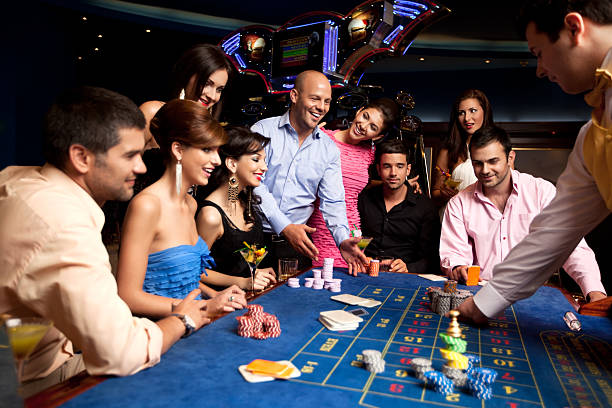
Psychologically, this illusion is powerful. It encourages prolonged engagement and can mask the underlying probabilities. For instance, a player might attribute a small win to their “skill” in selecting a machine, rather than recognizing it as a random fluctuation within the game’s predetermined return-to-player (RTP) percentage. This misattribution is a key component in the psychology of gambling, making it harder for individuals to disengage when the long-term outcome is unfavorable.
Understanding Cognitive Biases in Gambling
Several cognitive biases significantly influence how individuals approach casino gambling. The gambler’s fallacy, for example, is the mistaken belief that if something happens more frequently than normal during a given period, it will happen less frequently in the future, or vice versa. In a casino, this might manifest as a belief that a slot machine is “due” for a payout after a series of losses, or that a roulette number will not repeat after several occurrences.
Another prevalent bias is the confirmation bias, where individuals tend to favor information that confirms their pre-existing beliefs. A gambler might focus on their few significant wins, replaying those moments in their mind, while downplaying or forgetting the numerous smaller losses that have accumulated. This selective memory reinforces the idea that winning is achievable and that their strategy is sound, despite evidence to the contrary. The availability heuristic also plays a role, where people overestimate the likelihood of events that are easily recalled, such as dramatic jackpot wins reported in the media.
The Role of Dopamine and Reward Pathways
The brain’s reward system, heavily involving the neurotransmitter dopamine, is central to the addictive nature of gambling. Casinos are engineered to trigger these pathways through intermittent reinforcement. This means that rewards (wins) are not delivered consistently, but at unpredictable intervals. This unpredictability is far more potent in reinforcing behavior than regular rewards.
When a player experiences a win, even a small one, dopamine is released, creating a feeling of pleasure and excitement. This neurochemical reward strengthens the association between the gambling activity and positive feelings. Over time, the brain can adapt to these dopamine surges, requiring more frequent or larger rewards to achieve the same level of satisfaction, a hallmark of addiction. The anticipation of a win, the near-misses, and the actual payouts all contribute to this complex interplay of brain chemistry and behavior in the casino.
Strategic Play vs. Pure Chance
While some casino games, like blackjack and poker, offer elements of skill and strategy that can influence outcomes, the majority of popular casino entertainment is rooted in pure chance. Games such as slot machines, roulette, craps, and baccarat are fundamentally games of probability where the house edge is an inherent part of the design. Understanding this distinction is crucial for any intelligent approach to gambling.
Players who engage in games of chance can employ strategies to manage their bankroll and prolong their playing time, but they cannot fundamentally alter the statistical odds in their favor. The psychology of “strategic play” in these contexts often stems from the desire for control and the misapplication of skill-based thinking to games of pure randomness. Recognizing which games offer a degree of player influence versus those governed solely by luck is a vital step in responsible and informed gambling.

Golden Mister GB: Navigating the Casino Landscape
Golden Mister GB aims to provide insights into the complex world of casino entertainment, helping players understand the psychological factors at play. By demystifying the illusions of control, cognitive biases, and the neurochemical rewards associated with gambling, Golden Mister GB seeks to foster a more informed and mindful approach to gaming.
The platform is dedicated to exploring how understanding these psychological elements can lead to more intelligent decision-making, whether for entertainment or for those seeking to mitigate potential risks. Golden Mister GB encourages a balanced perspective, emphasizing that while casinos are designed for engagement, a grounded understanding of probability and psychology is key to a more responsible gaming experience.